


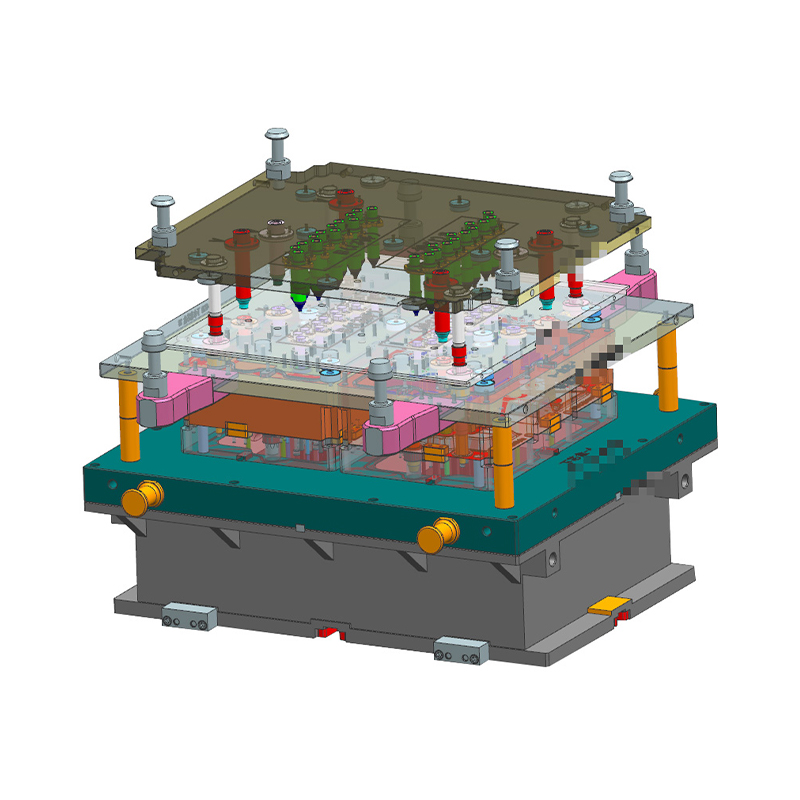
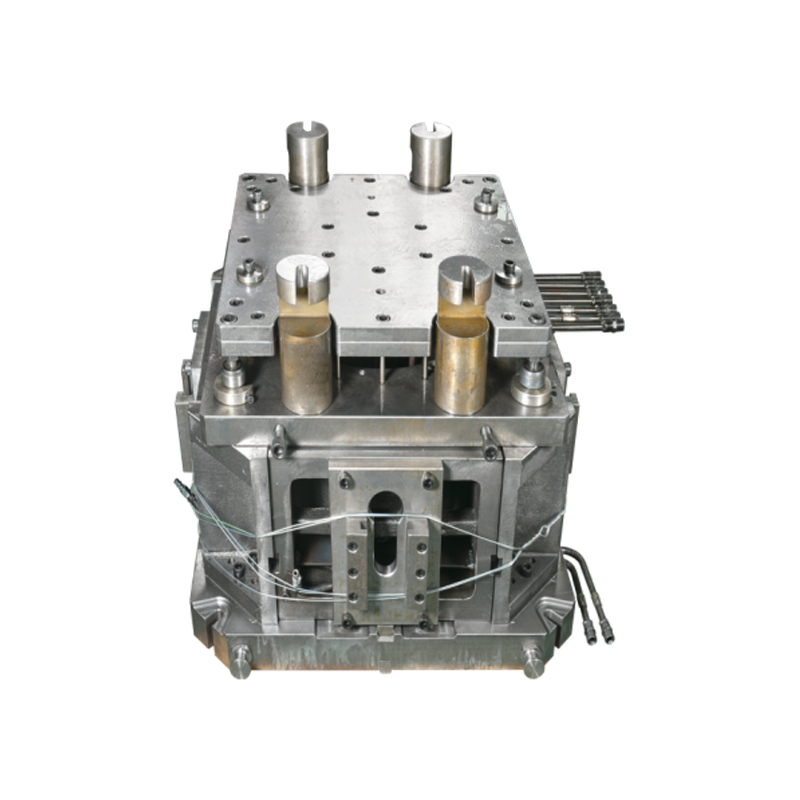
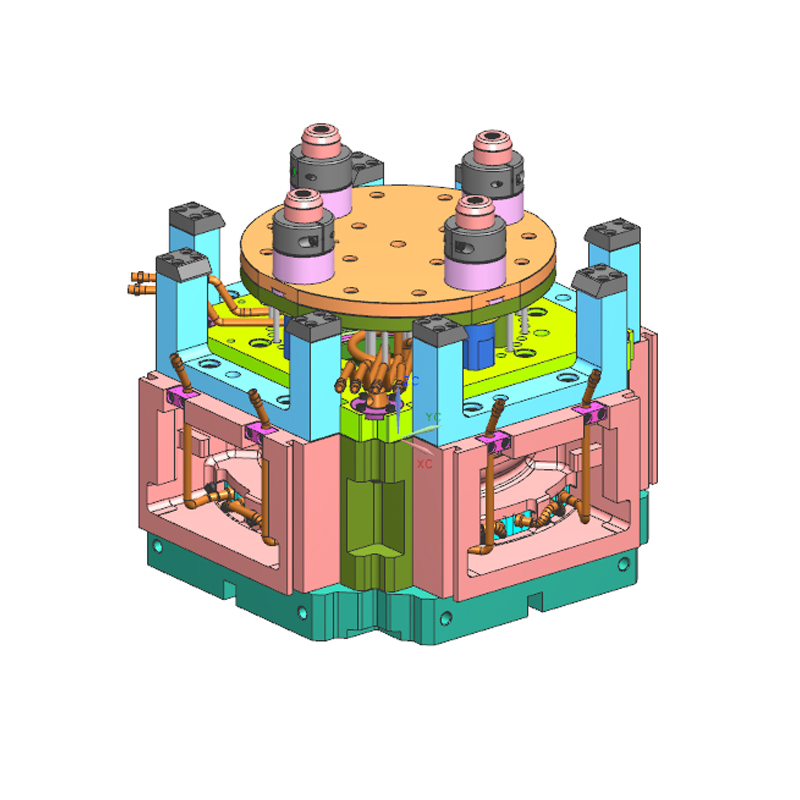
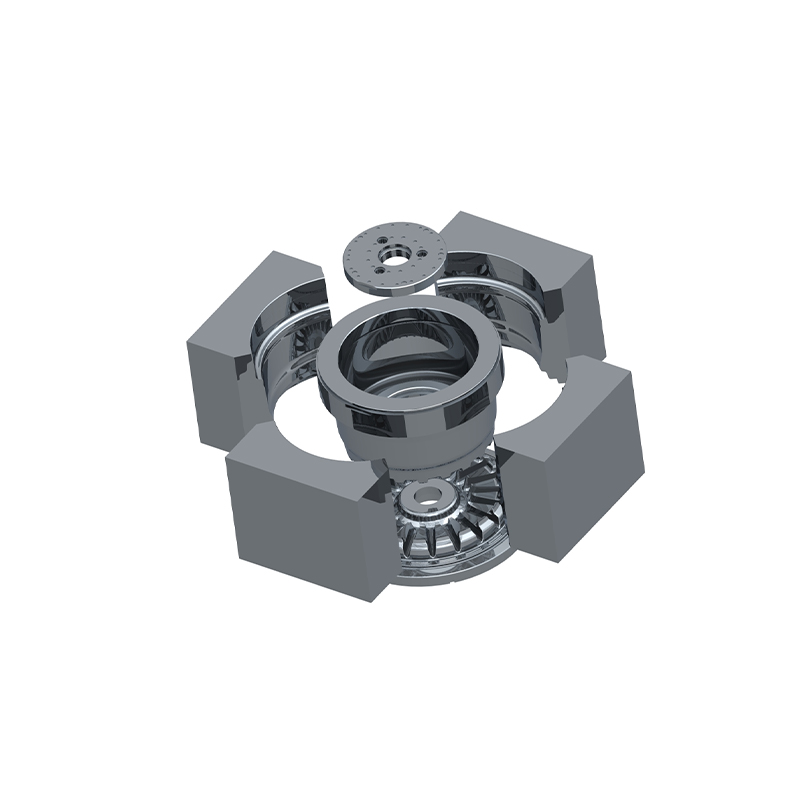
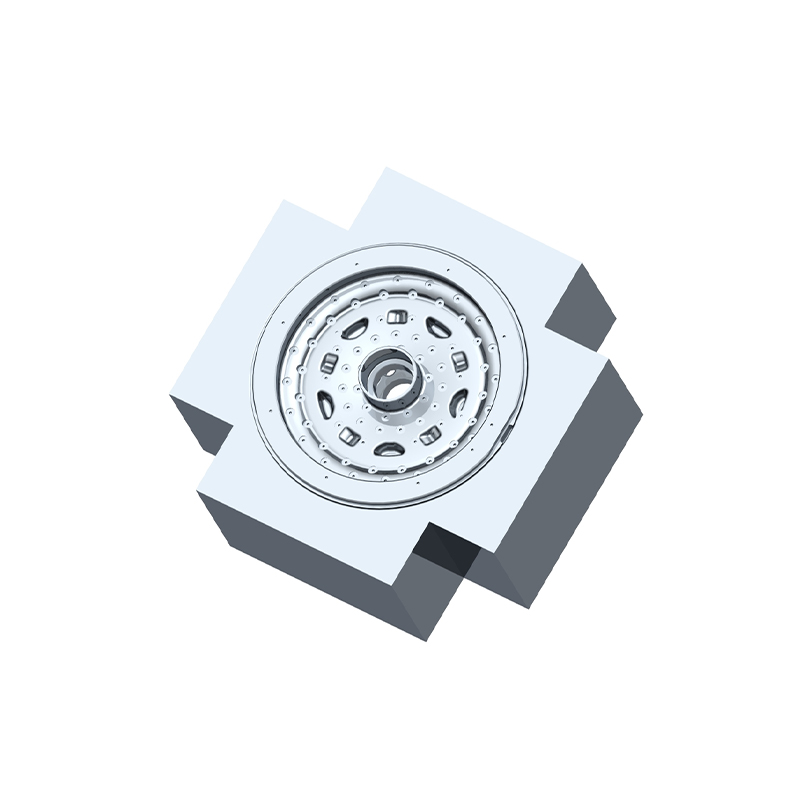
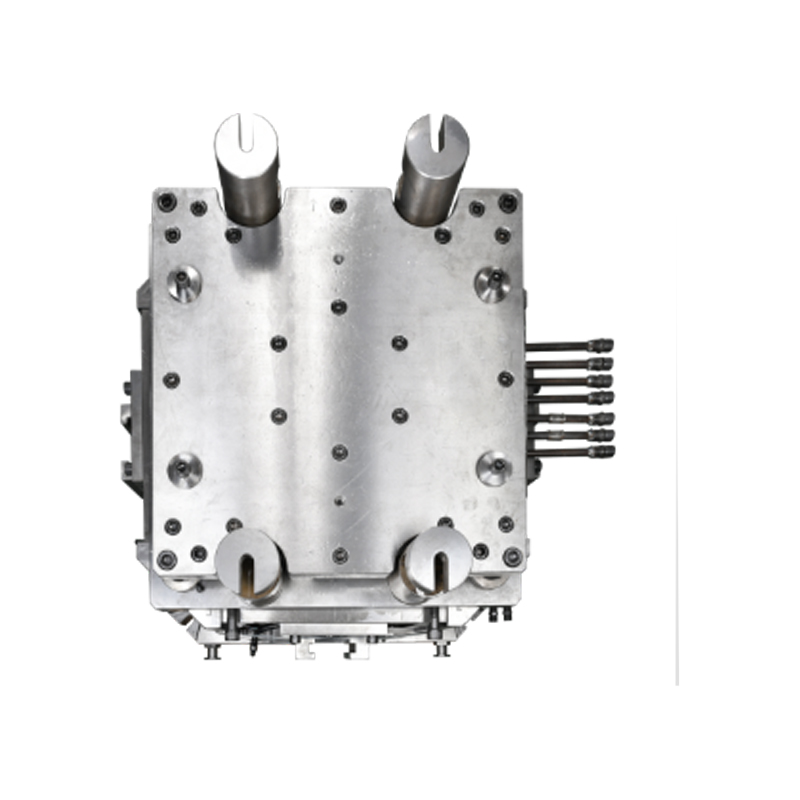
เรานำเสนอแม่พิมพ์สำหรับอุตสาหกรรมที่หลากหลาย รวมถึงยานยนต์ การทหาร และการก่อสร้าง ช่วยให้สามารถแข่งขันได้ในระดับโลกผ่านนวัตกรรมและความเชี่ยวชาญ
บ้าน / ข่าว / ข่าวอุตสาหกรรม / อุปกรณ์จับยึดการหล่อเทียบกับแม่พิมพ์ทั่วไป: การเปรียบเทียบที่ครอบคลุมสำหรับวิศวกร
อุปกรณ์จับยึดการหล่อเทียบกับแม่พิมพ์ทั่วไป: การเปรียบเทียบที่ครอบคลุมสำหรับวิศวกร
ในการผลิตสมัยใหม่ เครื่องมือหล่อและแม่พิมพ์มีความสำคัญอย่างยิ่งต่อการรับประกันการผลิตชิ้นส่วนที่มีความแม่นยำสูง ไม่ว่าในอุตสาหกรรมยานยนต์ การบินและอวกาศ หรืออิเล็กทรอนิกส์ กระบวนการผลิตที่แม่นยำและมีประสิทธิภาพต้องอาศัยเครื่องมือที่เหมาะสม สำหรับวิศวกร เข้าใจความแตกต่างระหว่าง อุปกรณ์จับยึดเครื่องมือหล่อ และ แม่พิมพ์ธรรมดา เป็นสิ่งจำเป็นสำหรับการตัดสินใจในการผลิตที่ถูกต้อง
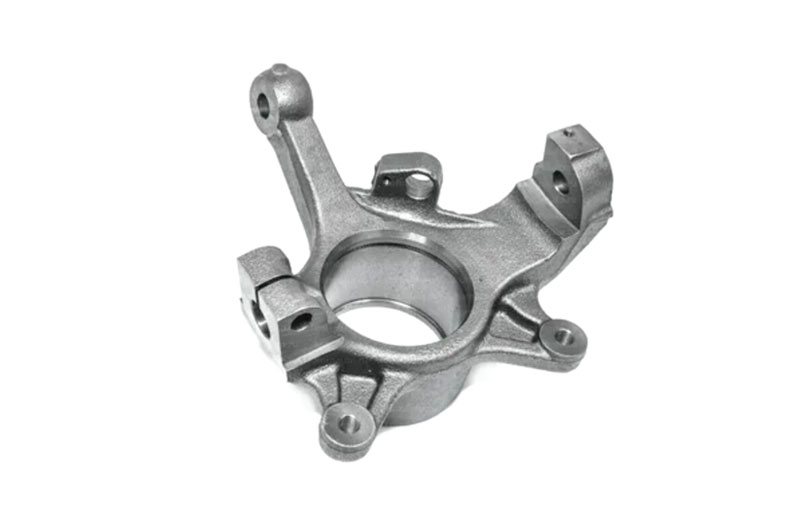
อุปกรณ์จับยึดเครื่องมือหล่อคืออะไร?
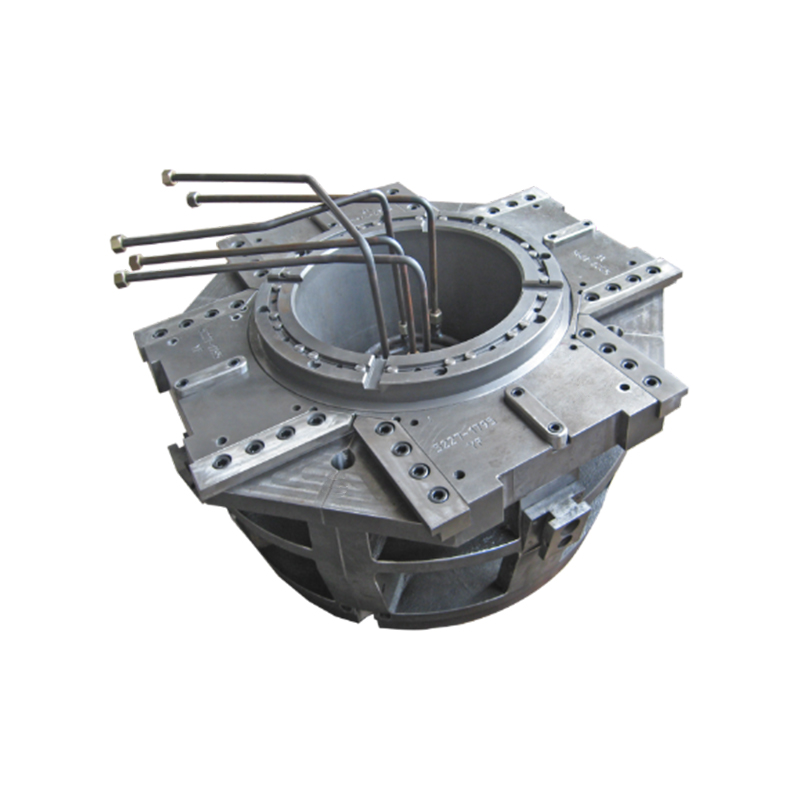
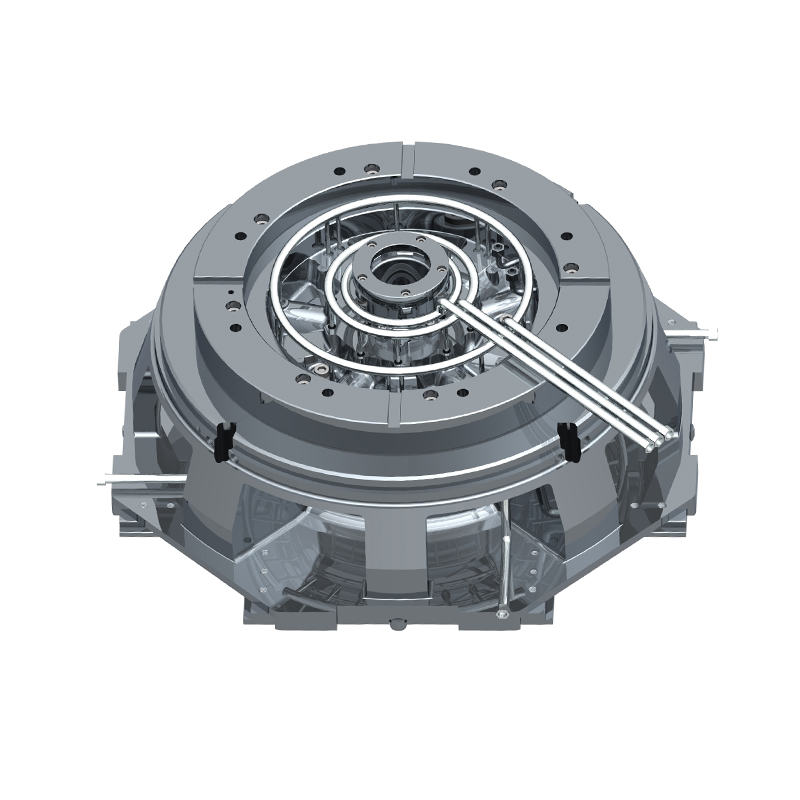
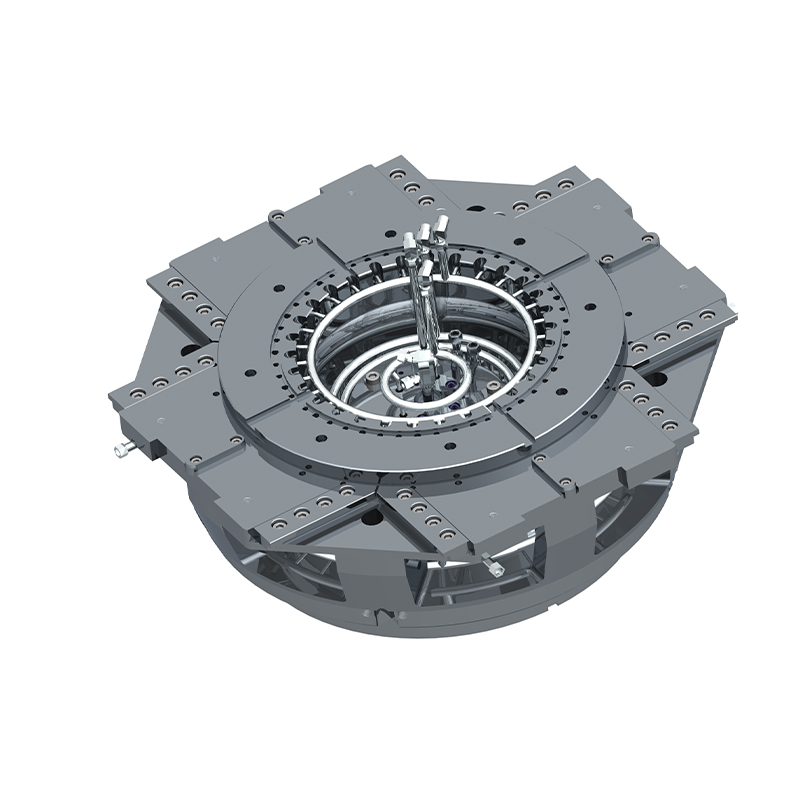
การหล่อแม่พิมพ์ฟิกซ์เจอร์เครื่องมือ เป็นเครื่องมือพิเศษที่ใช้รองรับแม่พิมพ์ในระหว่างกระบวนการหล่อ หน้าที่หลักของพวกเขาคือเพื่อให้แน่ใจว่าการหล่อยังคงอยู่ในตำแหน่งที่ถูกต้องตลอดการผลิต ด้วยการยึดชิ้นส่วนหรือแม่พิมพ์ให้เข้าที่อย่างแน่นหนา อุปกรณ์จับยึดเครื่องมือหล่อจึงลดการเสียรูปและข้อผิดพลาด ซึ่งช่วยเพิ่มความแม่นยำในการผลิต อุปกรณ์จับยึดเหล่านี้มักทำจากโลหะหรือโลหะผสมที่มีความแข็งแรงสูง ซึ่งมีคุณสมบัติเช่น ทนต่ออุณหภูมิสูงและทนต่อการกัดกร่อน เพื่อให้ทำงานได้ดีในสภาพแวดล้อมที่รุนแรง
คุณสมบัติ -
- การสนับสนุนที่มีความแม่นยำสูง - Casting tooling fixtures ensure the accurate positioning of parts during production, reducing dimensional errors.
- ทนต่ออุณหภูมิสูง - Fixtures are exposed to high temperatures during casting, so they need to have strong heat resistance.
- การปรับตัวให้เข้ากับรูปร่างที่ซับซ้อน - Unlike conventional molds, casting tooling fixtures can accommodate parts with more complex shapes.
- เพิ่มความสม่ำเสมอในการผลิต - By minimizing errors during casting, tooling fixtures significantly improve product consistency.
แม่พิมพ์ธรรมดาคืออะไร?
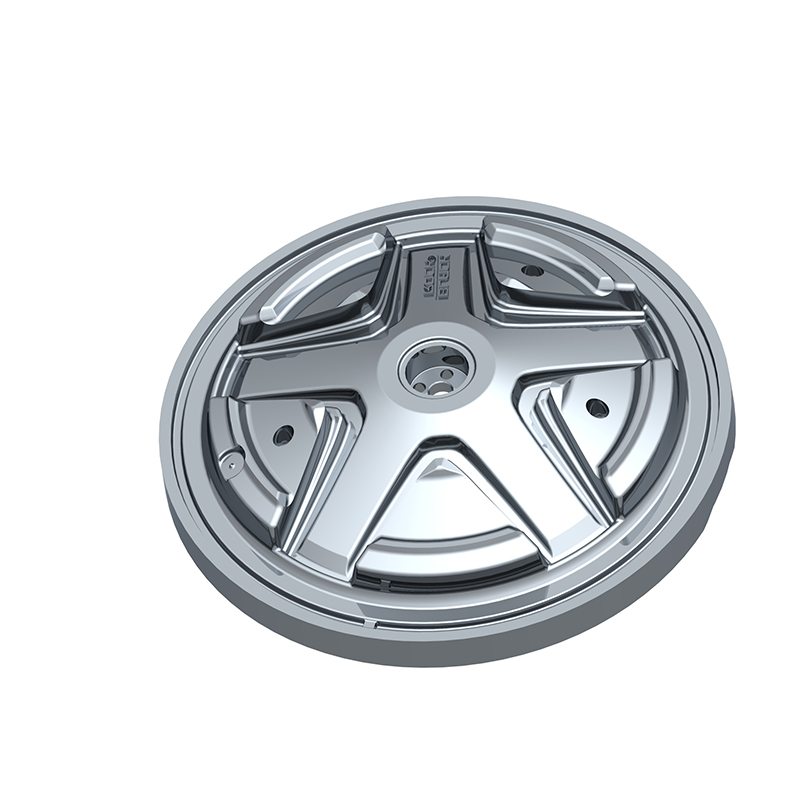
แม่พิมพ์ธรรมดา หมายถึงแม่พิมพ์มาตรฐานที่ใช้ในกระบวนการหล่อ โดยทั่วไปสำหรับชิ้นส่วนธรรมดาหรือชิ้นส่วนที่ได้มาตรฐาน แม่พิมพ์ทั่วไปมักทำจากเหล็ก อลูมิเนียม หรือโลหะผสมอื่นๆ และได้รับการออกแบบมาให้ทนทานต่อการใช้งานเป็นเวลานานที่อุณหภูมิสูง หน้าที่หลักของพวกเขาคือการกำหนดรูปร่างโลหะหลอมเหลวให้เป็นแบบหล่อที่ต้องการโดยการทำให้เย็นลงและทำให้แข็งตัวภายในช่องที่กำหนด
คุณสมบัติ -
- เหมาะสำหรับชิ้นส่วนที่ได้มาตรฐาน - Conventional molds are ideal for mass-producing parts that follow a consistent design, particularly in large-scale production.
- โครงสร้างที่เรียบง่าย - The design of conventional molds is generally simple and works well for most common casting requirements.
- อายุการใช้งานยาวนาน - Due to optimized design, conventional molds tend to last longer during the casting process.
- ต้นทุนที่ต่ำกว่า - Conventional molds are typically more affordable, especially for large-volume production runs.
ความแตกต่างที่สำคัญระหว่างอุปกรณ์จับยึดอุปกรณ์หล่อและแม่พิมพ์ทั่วไป
ทำความเข้าใจความแตกต่างที่สำคัญระหว่าง อุปกรณ์จับยึดเครื่องมือหล่อ และ แม่พิมพ์ธรรมดา เป็นสิ่งสำคัญในการเลือกเครื่องมือหล่อที่เหมาะสม ด้านล่างนี้คือการเปรียบเทียบทั้งสองมิติที่สำคัญหลายมิติ
ความยืดหยุ่นในการออกแบบ
- อุปกรณ์จับยึดเครื่องมือหล่อ - Casting tooling fixtures are highly customizable and can be designed to accommodate complex-shaped parts. This makes them highly flexible and suitable for parts with intricate geometries.
- แม่พิมพ์ธรรมดา - Conventional molds are typically more rigid in design and are best suited for parts with simple, standardized shapes. They are less adaptable for complex or custom parts.
ความเร็วในการผลิต
- อุปกรณ์จับยึดเครื่องมือหล่อ - Casting tooling fixtures are typically used in low-to-medium volume production. While they may require more setup time and adjustments, once in place, they can produce highly accurate results.
- แม่พิมพ์ธรรมดา - Conventional molds are more suited for high-volume production since their setup and use are quicker. They excel in mass production scenarios where speed is critical.
ค่าใช้จ่าย
- อุปกรณ์จับยึดเครื่องมือหล่อ - Due to the need for customization and precise engineering, casting tooling fixtures tend to have a higher initial cost. However, they are more suitable for small-batch and high-precision production.
- แม่พิมพ์ธรรมดา - Conventional molds are generally less expensive to manufacture, especially when used for high-volume production runs. They offer cost savings in large-scale production.
ความแม่นยำและความแม่นยำ
- อุปกรณ์จับยึดเครื่องมือหล่อ - Casting tooling fixtures provide higher precision during production, reducing errors in the casting process. This makes them ideal for producing parts with high tolerances and complex designs.
- แม่พิมพ์ธรรมดา - While conventional molds provide some level of precision, they may not meet the high-precision requirements for complex or intricate parts. They are often less accurate than tooling fixtures.
ความเข้ากันได้ของวัสดุ
- อุปกรณ์จับยึดเครื่องมือหล่อ - Fixtures are versatile and can work with a wide range of materials, including high-temperature alloys and specialized metals.
- แม่พิมพ์ธรรมดา - Conventional molds are best suited for standard materials such as aluminum, steel, or copper, making them less adaptable to more complex or high-temperature casting requirements.
ตารางเปรียบเทียบ: อุปกรณ์จับยึดการหล่อเทียบกับแม่พิมพ์ทั่วไป
| คุณสมบัติ | อุปกรณ์จับยึดเครื่องมือหล่อ | แม่พิมพ์ธรรมดา |
|---|---|---|
| ความยืดหยุ่นในการออกแบบ | มีความยืดหยุ่นสูง ปรับแต่งรูปทรงที่ซับซ้อนได้ | ความยืดหยุ่นจำกัด เหมาะสำหรับชิ้นส่วนมาตรฐาน |
| ความเร็วในการผลิต | ความเร็วต่ำ เหมาะสำหรับระดับเสียงต่ำถึงปานกลาง | การผลิตเร็วขึ้น เหมาะสำหรับการผลิตจำนวนมาก |
| ค่าใช้จ่าย | ต้นทุนเริ่มต้นที่สูงขึ้น เหมาะสำหรับงานที่มีความแม่นยำ | ต้นทุนที่ต่ำกว่า, cost-effective for high-volume production |
| ความแม่นยำและความแม่นยำ | ความแม่นยำและความสม่ำเสมอที่สูงขึ้น | ความแม่นยำปานกลางอาจต้องมีการปรับเปลี่ยนเพิ่มเติม |
| ความเข้ากันได้ของวัสดุ | ใช้งานได้กับวัสดุหลากหลายประเภท รวมถึงโลหะผสมที่มีอุณหภูมิสูง | เหมาะสำหรับวัสดุมาตรฐาน เช่น อะลูมิเนียม เหล็ก |
เมื่อใดจึงควรใช้ฟิกซ์เจอร์อุปกรณ์หล่อเทียบกับแม่พิมพ์ทั่วไป
เมื่อใดจึงควรเลือกอุปกรณ์จับยึดเครื่องมือหล่อ?
- ข้อกำหนดที่มีความแม่นยำสูง - If you need highly accurate parts, especially those with complex geometries, casting tooling fixtures are the best choice. They ensure proper alignment during the casting process, minimizing deviations.
- การผลิตชุดเล็กถึงขนาดกลาง - For small-batch or high-precision production, casting tooling fixtures offer the required accuracy and consistency.
- การออกแบบชิ้นส่วนที่ซับซ้อน - If the part design is intricate or requires specialized support structures, casting tooling fixtures offer the flexibility needed for custom solutions.
เมื่อใดจึงควรเลือกแม่พิมพ์ทั่วไป
- การผลิตปริมาณมาก - Conventional molds are ideal for fast, high-volume production. Their quick setup and efficient use make them perfect for mass production of standardized parts.
- ค่าใช้จ่าย-sensitive Applications - If the budget is tight, particularly in large-volume production, conventional molds offer significant cost savings.
- ชิ้นส่วนมาตรฐาน - For parts with simple shapes and lower precision requirements, conventional molds can meet production needs without unnecessary complexity.
โพสต์ก่อนหน้า
แม่พิมพ์หล่อแรงดันส่วนต่างของดุมล้อคืออะไรและทำงานอย่างไร
โพสต์ถัดไป
แม่พิมพ์ฉีดเทียบกับการหล่อแรงโน้มถ่วงสำหรับชิ้นส่วนโครงสร้าง: ต้นทุนความแม่นยำและประสิทธิภาพเปรียบเทียบ
สินค้าที่เกี่ยวข้อง
เพิ่มขีดความสามารถในการแข่งขันระดับโลก
-

No.30 Jinlong Road, เขตฟังก์ชันอุตสาหกรรม, เมือง Huangze, Shengzhou, เมือง Shaoxing, จังหวัดเจ้อเจียง, จีน
-

+86-15356852630
+86-0575-89308739 -

+86-0575-83509158

Copyright © Zhejiang Xinfeng Machinery Co., Ltd. All Rights Reserved.
